Understanding functional mushrooms begins with understanding the organisms themselves.
Each species carries unique compounds, traditions of use, and areas of scientific exploration.
This library serves as a guide to the most studied functional mushrooms used in modern formulations.
Fungi are one of Earth’s oldest biological kingdoms. They form living networks that connect ecosystems, recycle nutrients, and communicate through complex chemical signaling. In functional mushroom research, what matters most is not hype, it’s the naturally occurring compounds inside the fruiting body and mycelium, and how those compounds interact with normal human physiology.
These compounds are studied for how they interact with normal immune signaling, oxidative balance, and cellular communication. What matters most is not a single buzzword ingredient, it’s the species used, the part of the mushroom, and whether extraction concentrates the compounds people actually research.

Lion’s Mane (Hericium erinaceus) has attracted significant scientific interest for its relationship with cognitive function and nervous system support. Research has focused on unique compound groups known as hericenones and erinacines, which are studied for their interaction with nerve growth factor (NGF) pathways involved in neuronal maintenance and signaling.
Because of this biochemical profile, Lion’s Mane continues to be explored in modern functional mushroom research for its potential role in supporting cognitive clarity, memory processes, and overall neurological resilience when incorporated into consistent daily use.
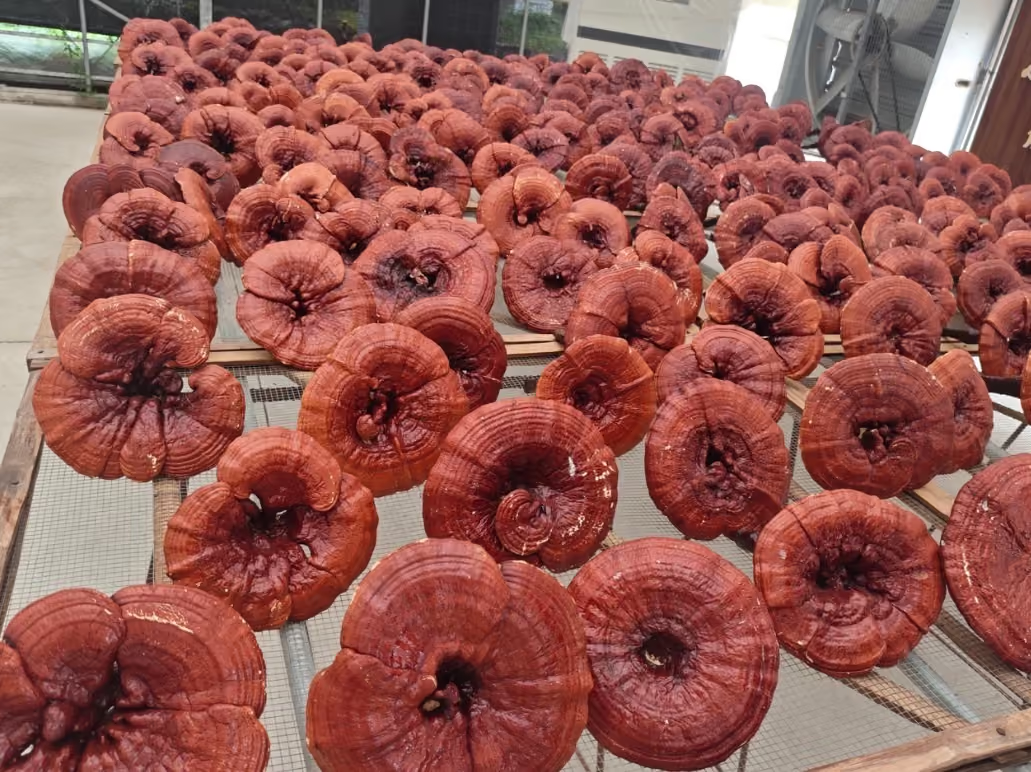
Reishi (Ganoderma lucidum) is one of the most extensively studied functional mushrooms in traditional and modern research. It contains a wide spectrum of bioactive compounds, particularly triterpenoids and beta-glucans, which are studied for their relationship with immune system signaling and stress response pathways.
Ganoderic acids, a class of triterpenoids unique to Reishi, have been examined for their interaction with inflammatory pathways and cardiovascular markers. Because of this chemical profile, Reishi has historically been associated with longevity, balance, and resilience within traditional herbal systems and continues to be widely researched in modern functional mushroom science.
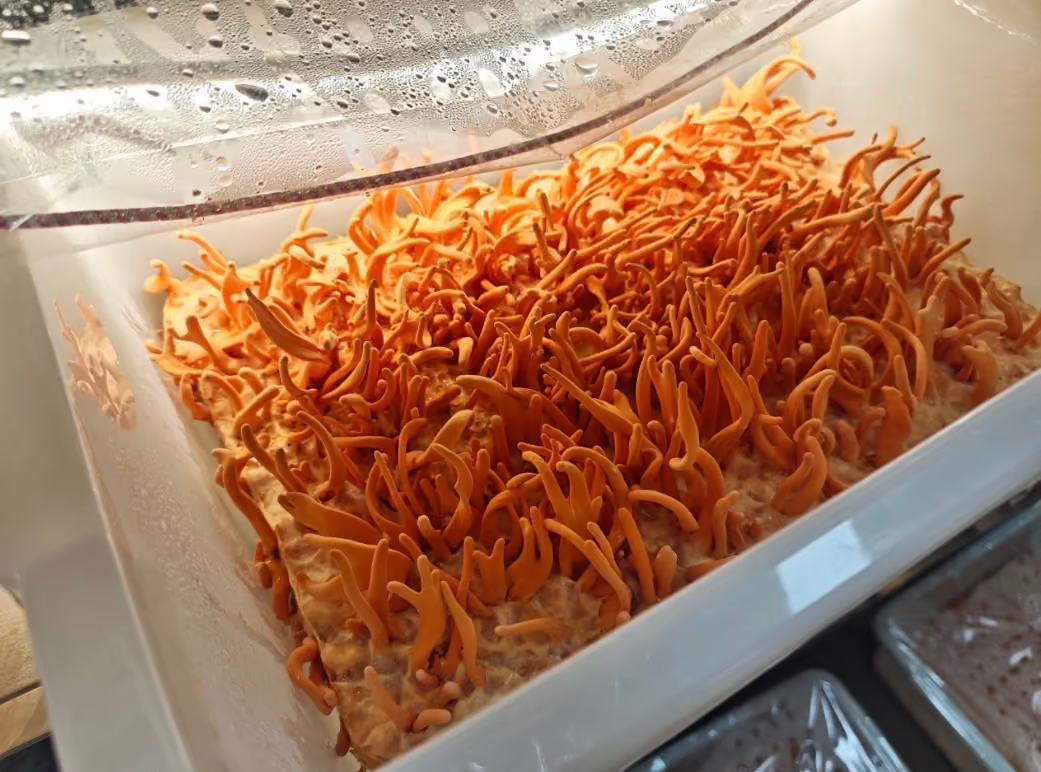
Cordyceps militaris has been widely studied for its relationship with cellular energy metabolism and oxygen utilization. One of its most recognized compounds, cordycepin (3'-deoxyadenosine), has attracted scientific interest for its interaction with metabolic signaling pathways and cellular energy processes.
Research involving Cordyceps extracts has explored how these compounds may support normal ATP production, mitochondrial activity, and exercise endurance. Because of this relationship with energy metabolism and oxygen use, Cordyceps has become one of the most commonly studied functional mushrooms in the context of performance and vitality.
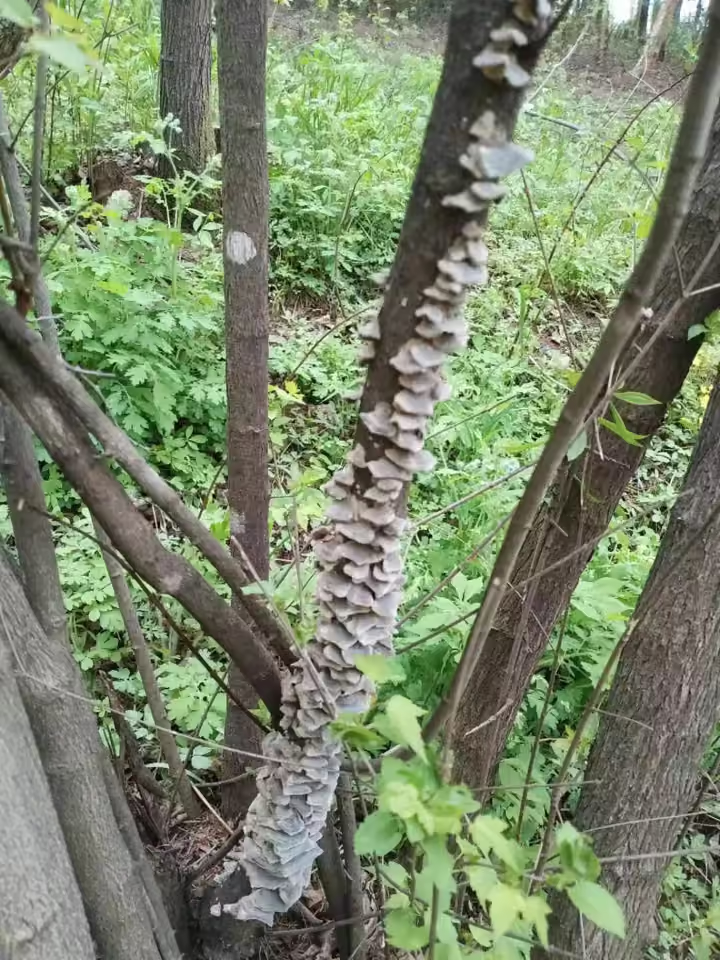
Turkey Tail (Trametes versicolor) is one of the most extensively studied functional mushrooms in modern research. It contains complex polysaccharides and beta-glucans that are investigated for their interaction with immune system signaling pathways.
Two compounds commonly associated with Turkey Tail are polysaccharopeptide (PSP) and polysaccharide-K (PSK), which have been studied for their relationship with immune modulation and cellular defense responses. Research also explores how Turkey Tail polysaccharides may interact with the gut microbiome, supporting the growth of beneficial microbial communities and overall digestive balance.
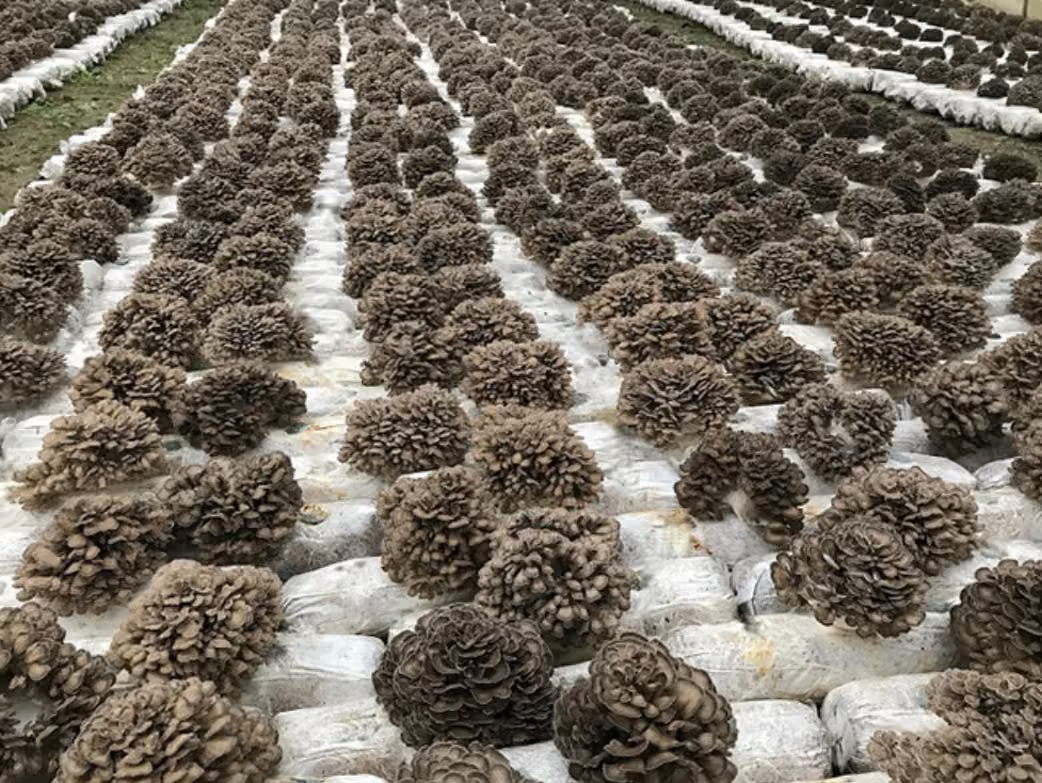
Maitake (Grifola frondosa) is widely studied for its unique beta-glucan structures, particularly a compound group often referred to as the D-fraction. These polysaccharides have been examined for their relationship with immune system signaling pathways and metabolic regulation.
Research has explored how Maitake extracts may interact with normal glucose metabolism, immune receptor activity, and inflammatory signaling pathways. Because of its rich concentration of beta-glucans and polysaccharides, Maitake continues to be an important subject in functional mushroom research focused on metabolic balance and immune resilience.
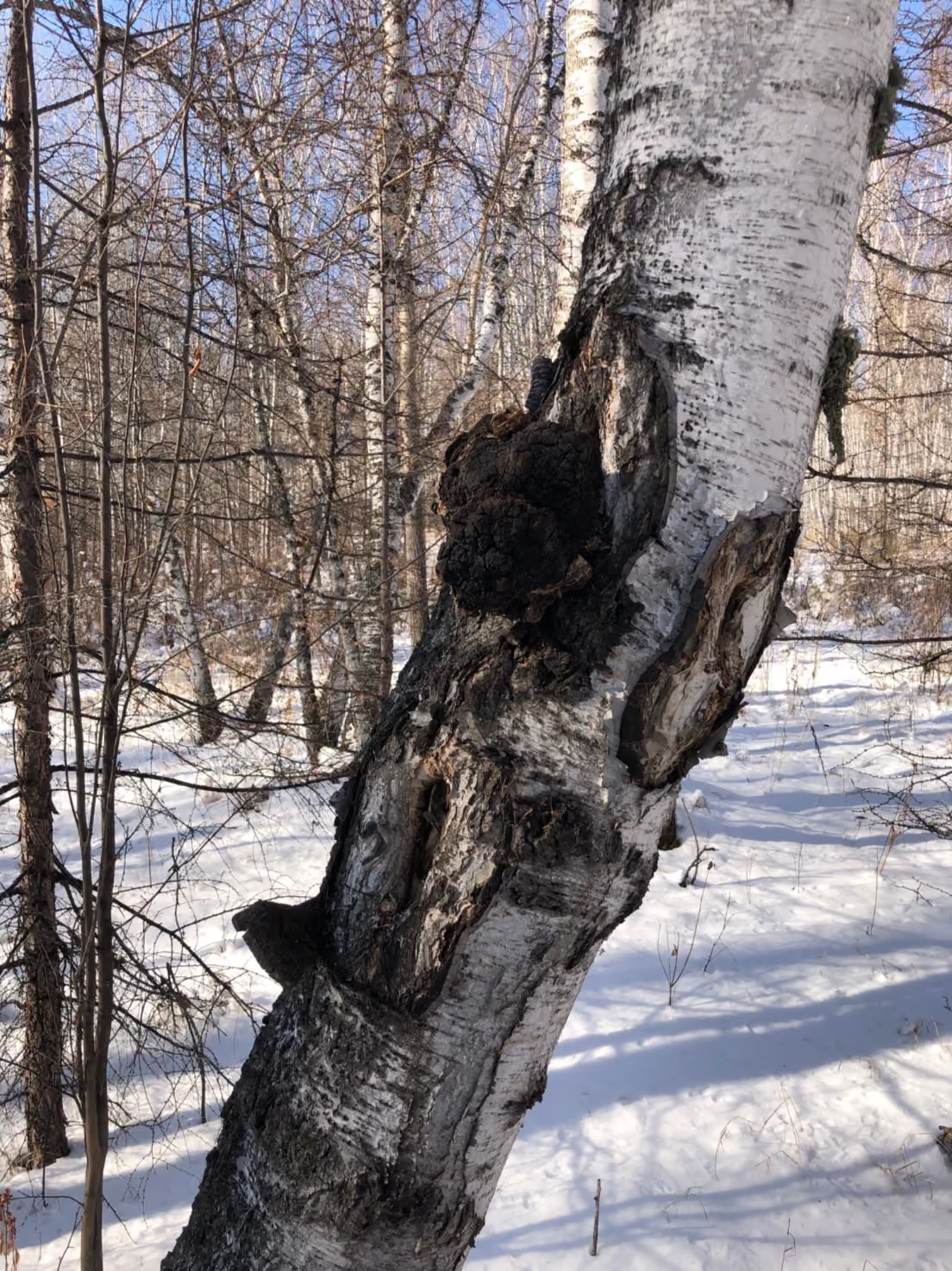
Chaga (Inonotus obliquus) has drawn scientific attention for its unusually high concentration of antioxidant compounds and polyphenols. These compounds are studied for their relationship with oxidative balance and cellular defense pathways within the body.
Research involving Chaga extracts has explored how its beta-glucans and phenolic compounds may interact with immune signaling and antioxidant systems. Because of its dense nutrient and antioxidant profile, Chaga continues to be examined in functional mushroom research focused on supporting cellular resilience and whole-body vitality.

Shiitake (Lentinula edodes) is one of the most widely consumed functional mushrooms worldwide and has been studied extensively for its nutritional and biochemical properties. It contains a unique beta-glucan compound known as lentinan, along with eritadenine and other polysaccharides that have been examined for their relationship with immune signaling and cardiovascular health markers.
Research has explored how Shiitake compounds may interact with normal cholesterol metabolism, immune receptor pathways, and antioxidant systems. Because of its long history in both culinary and traditional use, Shiitake remains one of the most well-documented mushrooms in modern functional mushroom research.

Agaricus blazei Murill has been the focus of numerous scientific investigations due to its unusually high concentration of beta-glucans and bioactive polysaccharides. These compounds are widely studied for their interaction with immune signaling pathways and their role in supporting the body’s natural defense systems.
Research has explored how Agaricus blazei extracts may influence immune receptor activity, antioxidant pathways, and metabolic regulation. Because of its dense polysaccharide profile and growing body of scientific literature, Agaricus blazei continues to attract attention in modern functional mushroom research.
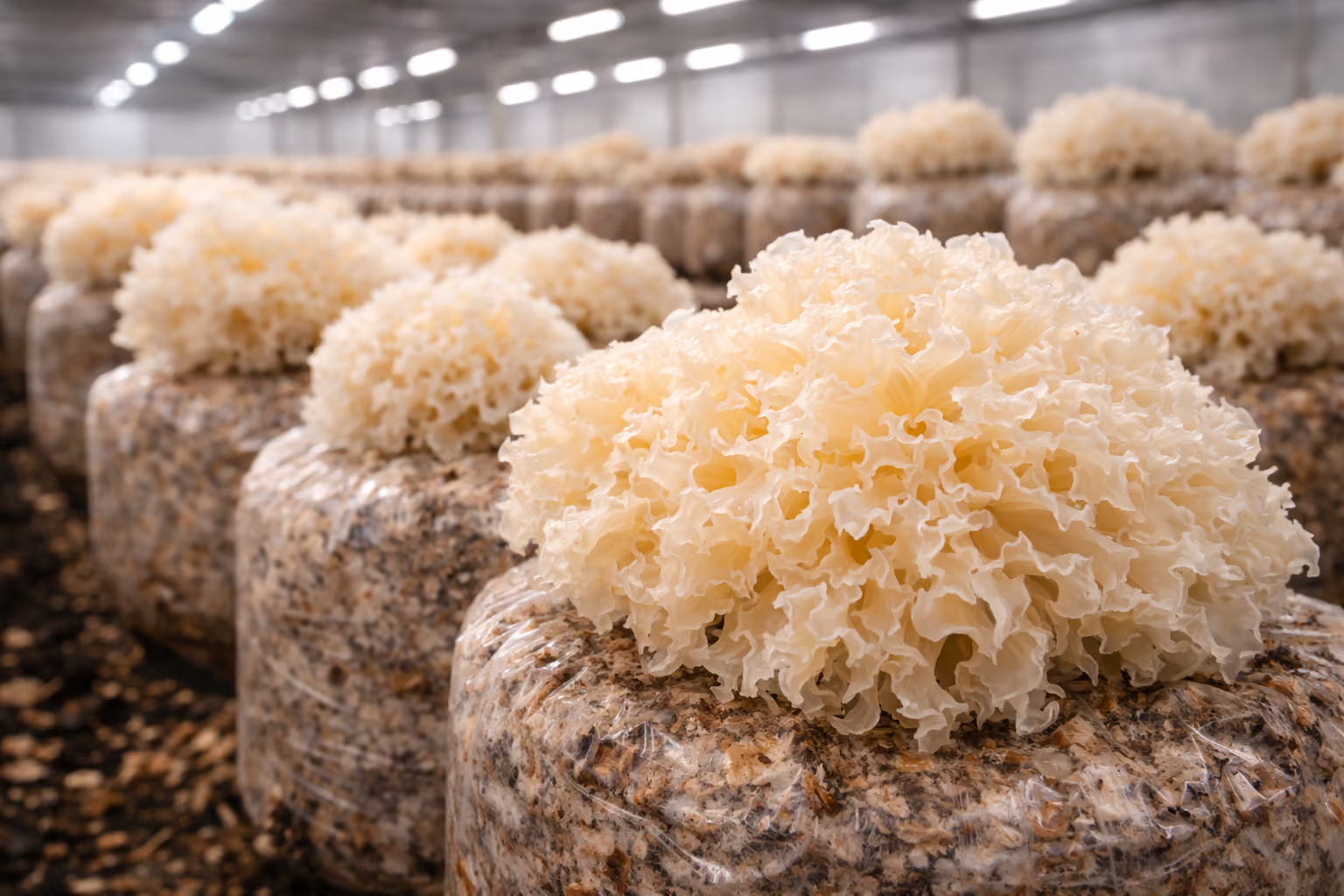
Tremella fuciformis, often referred to as the snow mushroom, has been studied for its unique polysaccharide composition and its relationship to hydration and antioxidant activity. Tremella polysaccharides are known for their ability to bind water molecules, which has led researchers to explore their potential role in supporting skin hydration and cellular moisture balance.
In addition to its hydration-supporting properties, Tremella also contains beta-glucans and polyphenols that contribute to its antioxidant profile. Because of this combination of compounds, Tremella continues to be examined in functional mushroom research focused on skin health, cellular hydration, and overall vitality.
Not all mushroom products are created equal. The quality, effectiveness, and scientific validity of a mushroom extract depend heavily on how it is grown, processed, and tested.Understanding a few key factors can help you identify products that are formulated with intention rather than marketing alone. At LifeWeb Mycology™, we believe transparency and education are essential so individuals can make informed decisions about what they choose to put into their bodies.
Functional mushrooms contain their most researched bioactive compounds within the fruiting body — the visible mushroom structure that grows above the substrate. This is where beta-glucans, triterpenes, and other beneficial compounds are most concentrated.Some products on the market rely heavily on mycelium grown on grain substrates. While mycelium plays an important role in a mushroom’s life cycle, these products can contain higher amounts of starch from the growth medium rather than the mushroom compounds themselves.Because of this distinction, many functional mushroom formulations prioritize extracts derived from the fruiting body.
Many of the beneficial compounds found in functional mushrooms are locked within tough cellular structures made of chitin. Proper extraction techniques are required to make these compounds bioavailable.
Hot water extraction is commonly used to release beta-glucans and polysaccharides, while alcohol extraction is often used to isolate compounds such as triterpenes. Some advanced processes use dual extraction methods to capture a broader spectrum of compounds.
Quality extraction ensures the beneficial compounds within the mushroom are accessible and concentrated in the final product.
Beta-glucans are among the most studied compounds in functional mushrooms. These naturally occurring polysaccharides are widely researched for their interaction with immune signaling pathways and their role in supporting the body's natural defense mechanisms.
Because beta-glucans are considered one of the key markers of mushroom extract quality, many high-quality extracts standardize their products around measurable beta-glucan content rather than simply listing the amount of mushroom powder.
Reliable mushroom products are typically tested for purity, identity, and safety. This may include testing for heavy metals, microbial contaminants, and active compound levels.
Certificates of Analysis (COAs) from third-party laboratories provide transparency into the composition of a product and help ensure quality standards are met. Testing helps confirm that what is listed on the label accurately reflects what is contained within the product.
Functional mushrooms have been studied for decades, but the benefits discussed in scientific research are typically associated with properly extracted compounds and carefully formulated products.
Understanding how mushroom extracts are produced helps bridge the gap between traditional knowledge, modern research, and the quality standards consumers should expect from functional mushroom products today.
Connected by Nature. Functional mushroom extracts crafted with intention, guided by research and ritual.